
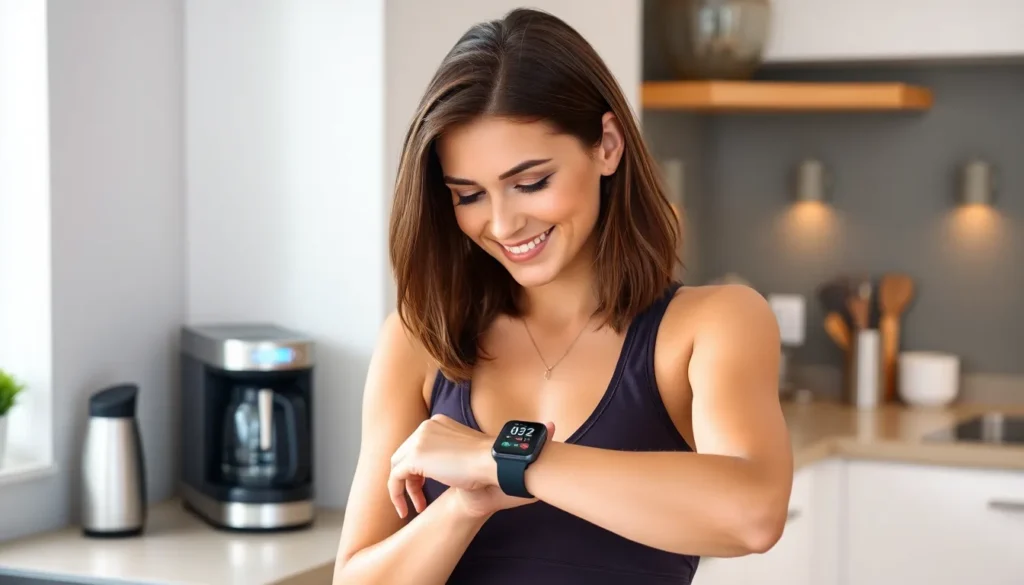
In a world where even toasters are getting smarter, it’s time to embrace the gadgets that keep up with our fast-paced lives. Smart gear isn’t just a trend; it’s a revolution. Imagine a life where your fitness tracker nudges you to move, your coffee maker brews the perfect cup before you even wake up, and your home security system knows when you’re away. Sounds like a dream, right?
Overview of Smart Gear
Smart gear encompasses a variety of devices designed to improve daily activities through connectivity and automation. Fitness trackers monitor heart rates, steps, and sleep patterns, providing users with insights into their health. Coffee makers can now brew at programmed times, allowing for a fresh cup upon waking. Home security systems include cameras and alarms that users can control remotely via smartphones, enhancing safety.
Wearable technology represents another aspect of smart gear. Smartwatches enable notification management and fitness tracking directly on the wrist, promoting a hands-free experience. Voice-activated assistants, integrated into various smart devices, simplify tasks by responding to verbal commands. Environmental sensors can adjust home temperatures based on occupancy, making energy use more efficient.
Smart home ecosystems integrate multiple devices, offering centralized control. Through applications, users can manage lighting, security, and climate with ease. These systems often support compatibility with various brands, enhancing flexibility for users. Data generated through these devices leads to personalized adjustments, catering to individual preferences and habits.
In the health sector, smart gear includes connected medical devices that allow for continuous monitoring. Glucose monitors and blood pressure cuffs can send data to healthcare providers, facilitating timely interventions. The integration of such devices supports proactive health management.
Educational environments also benefit from smart gear, providing interactive learning through tablets and smart boards. These tools engage students and foster collaboration, enhancing the learning experience. Increased accessibility to resources further encourages academic growth.
Collectively, smart gear influences numerous facets of life, driving productivity, safety, and engagement. Its evolution not only brings convenience but also shapes the future of technology in daily routines.
Types of Smart Gear

Smart gear includes various categories of devices designed to enhance everyday experiences. Two prominent types are wearable technology and smart home devices.
Wearable Technology
Wearable technology offers users hands-free access to information and fitness tracking. Smartwatches track heart rates, steps, and other fitness metrics, enabling real-time monitoring. Fitness bands provide similar capabilities, often focusing on users’ activity and sleep patterns. Many devices integrate with smartphones, allowing users to receive notifications without needing to check their phones. Health monitoring wearables also assist in tracking vital signs, contributing to proactive health management.
Smart Home Devices
Smart home devices enable control over numerous household functions from a centralized location. These gadgets include smart lighting, which adjusts brightness based on user preferences. Security systems feature cameras and alarms that connect to smartphones, allowing remote monitoring of homes. Thermostats can learn user habits, adjusting temperatures for optimal energy efficiency. Integration with voice-activated assistants streamlines operations, improving user experience. Smart appliances, from refrigerators to ovens, enhance daily chores by offering connectivity and automation, making life more convenient and connected.
Benefits of Using Smart Gear
Smart gear significantly impacts daily life by promoting convenience and efficiency. Various smart devices enhance user experience, offering capabilities previously unseen.
Enhanced Convenience
Smart gear streamlines daily routines. Smartwatches keep users informed without looking at their phones. Coffee makers that brew at programmed times provide fresh coffee upon waking. Voice-activated assistants execute tasks with simple verbal commands. Automated lighting systems adjust brightness based on the time of day. These convenient features save time, reduce effort, and create a seamless user experience.
Improved Efficiency
Efficiency increases with smart gear integration in daily activities. Energy-efficient thermostats learn user preferences, optimizing home temperatures for cost savings. These systems adjust settings automatically, minimizing energy waste. Smart security devices enhance safety by allowing remote monitoring and control. Fitness trackers provide real-time health metrics, enabling users to make informed lifestyle choices. The interconnected nature of smart gear ensures tasks are completed faster with less manual input.
Challenges and Considerations
Smart gear presents various challenges and considerations that users should acknowledge. Increased connectivity leads to heightened privacy concerns.
Privacy Concerns
Data collected by smart devices often includes personal information. Users may face risks related to hacking and unauthorized access. Smart gadgets like fitness trackers log sensitive health metrics, which may inadvertently expose users to privacy breaches. It’s essential to understand the data privacy policies of manufacturers before using their products. Maintaining strong passwords and employing two-factor authentication enhances security. Being cautious about sharing personal information can minimizes risks associated with connected devices.
Cost Implications
Investment in smart gear often requires significant upfront and ongoing expenses. Purchasing devices like smart home security systems involves costs for equipment installation and subscription services. Over time, maintenance, software updates, and potential replacements contribute to overall spending. Balancing initial costs with long-term savings in energy and efficiency becomes vital for users. Financial planning ensures that smart gear’s benefits align with budgetary constraints. Users should consider the value added to daily life against the total cost of ownership before making purchases.
Future Trends in Smart Gear
Anticipated advancements in smart gear focus on artificial intelligence. AI will enhance device capabilities, enabling smarter responses based on user behavior. Predictive analytics can analyze patterns, personalizing experiences for users.
Integration of smart gear across various platforms represents another trend. Connectivity between different devices, like wearables and home systems, ensures they work seamlessly together. Such connectivity simplifies user experiences, streamlining daily tasks.
Health monitoring technology is expected to evolve significantly. New devices may offer more precise health metrics, enabling proactive health management. Wearables could soon incorporate advanced sensors to track vital signs in real-time, contributing to preventive care.
Sustainability will also influence the design of smart gear. Manufacturers may prioritize eco-friendly materials and energy-efficient technologies. Such considerations align with growing consumer awareness of environmental impacts.
Voice interaction and natural language processing expect to see substantial growth. Users may engage with devices through conversational interfaces, enhancing accessibility for all demographics. Natural dialogues can make managing smart devices more intuitive.
Enhanced security measures will become vital to address privacy concerns. End-to-end encryption, advanced authentication methods, and data anonymization are likely to improve user trust. These measures protect personal information and minimize hacking risks.
In addition, the emergence of augmented and virtual reality shows potential for smart gear innovation. AR and VR technologies might integrate with devices to provide immersive experiences. For example, fitness trackers could adapt exercises in real-time, creating engaging workouts.
Ultimately, the evolution of smart gear reflects technological advancements. By prioritizing integration, AI, and sustainability, these devices will continue shaping daily life. Keeping an eye on these trends will help users stay informed and make better purchasing decisions.
Smart gear is undeniably reshaping daily life by enhancing convenience and efficiency. As technology continues to evolve users can expect even greater integration of these devices into their routines. The potential for improved health monitoring energy savings and enhanced security makes smart gear an appealing choice for many.
However it’s essential to remain cautious about privacy and security risks associated with increased connectivity. Understanding data privacy policies and investing in robust security measures will be crucial for users navigating this landscape.
As the future unfolds advancements in AI sustainability and intuitive user interfaces will further enhance the smart gear experience. Embracing these innovations while being mindful of their implications will pave the way for a more connected and efficient lifestyle.