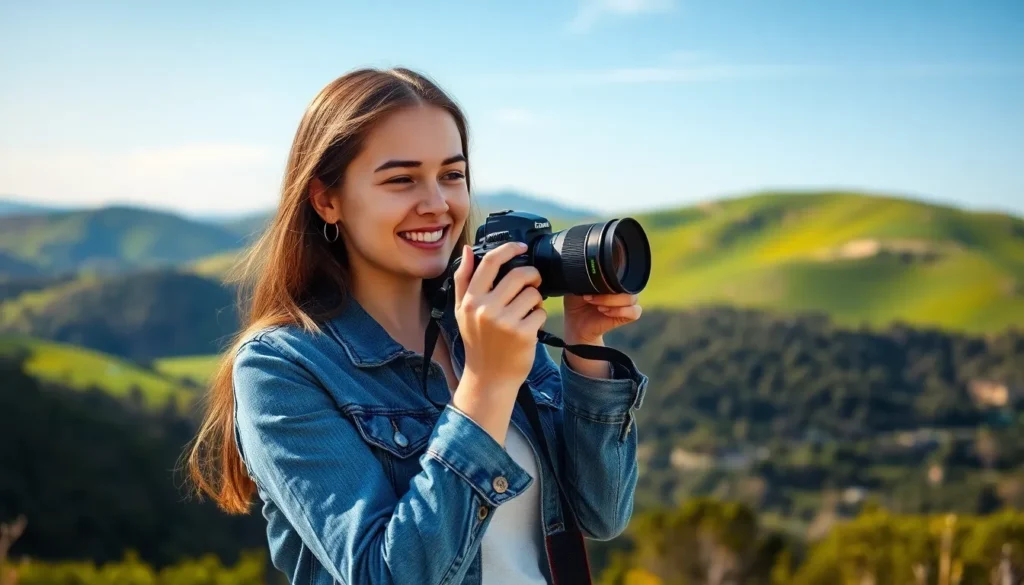
In a world where everyone’s a photographer thanks to smartphones, mastering the art of capturing stunning images still requires some essential gear. Whether you’re aiming to snap breathtaking landscapes or candid moments at a family gathering, knowing what to pack can make all the difference. Just like a chef wouldn’t go to battle without a trusty spatula, a photographer needs their arsenal of camera essentials to create magic.
Imagine trying to capture a sunset with a camera that’s older than your favorite pair of socks. Not ideal, right? From lenses that make your subjects look like supermodels to tripods that won’t topple over at the first gust of wind, understanding the must-have items can elevate anyone’s photography game. So let’s dive into the world of camera essentials and discover what every budding photographer should have in their toolkit.
Understanding Camera Essentials
Selecting the right camera gear significantly affects photography outcomes. Essential items enhance skills and can elevate images beyond smartphone capabilities.
Importance of Camera Essentials
Camera essentials create a solid foundation for any photographer. Proper gear not only improves image quality but also boosts confidence. Quality equipment allows for creative expression in various environments, from landscapes to portraits. Each component contributes uniquely to the photography process, ensuring that the final product reflects the photographer’s vision. Investing in the right gear saves time and enhances results during shoots, promoting a smoother workflow.
Key Components of a Camera
Key components of a camera include sensors, lenses, and bodies. The sensor captures light and determines image quality. Various lens types, such as prime and zoom, enable different perspectives and effects. Camera bodies differ in features and ergonomics, affecting how easily a photographer can operate them. Accessories like tripods and filters also play crucial roles, providing stability and creative options, respectively. Each component serves a specific purpose, ensuring photographers can adapt to different shooting conditions effectively.
Types of Cameras
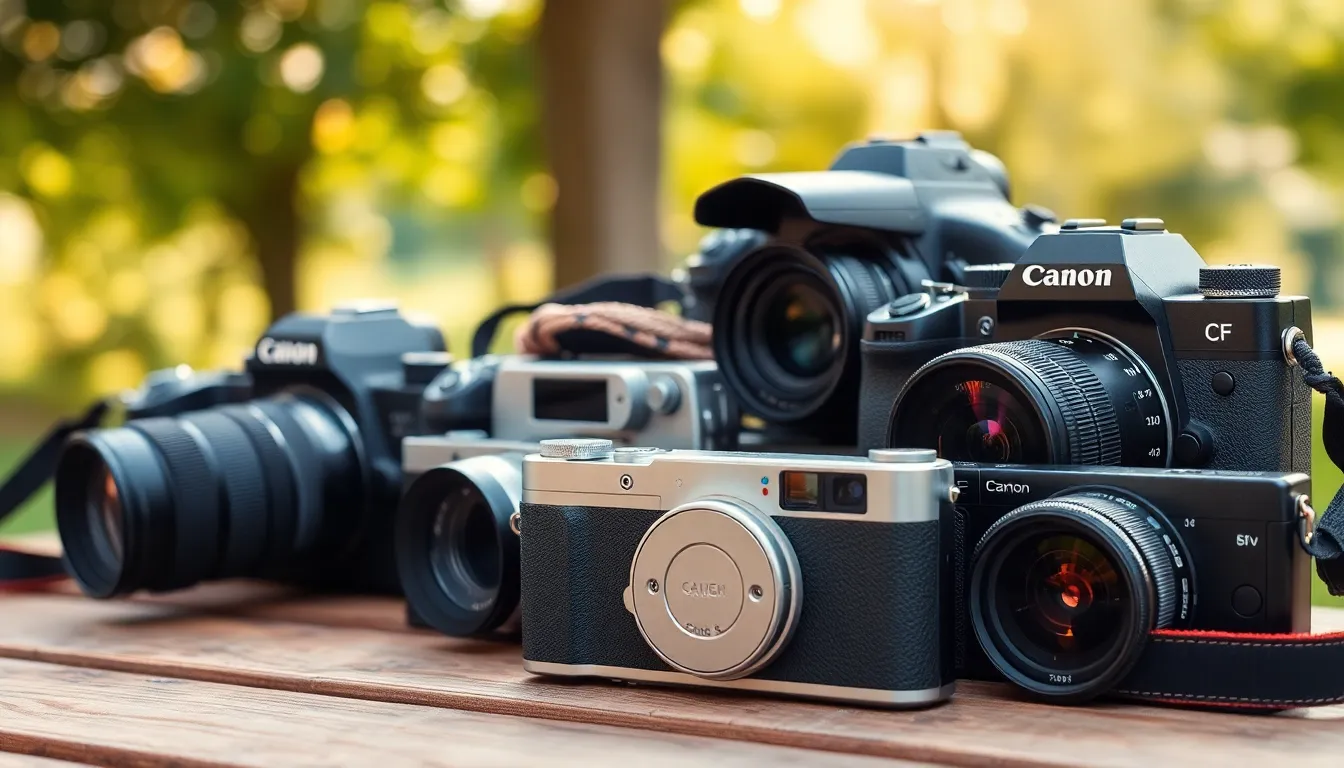
Different types of cameras cater to various photography needs and preferences. Understanding these options enhances a photographer’s ability to choose the right gear.
DSLR Cameras
DSLR cameras feature a digital single-lens reflex design, making them popular among professionals and enthusiasts. They offer larger sensors that deliver high-quality images with excellent detail. Versatile lenses are a hallmark of DSLRs, allowing for diverse shooting styles. These cameras include optical viewfinders, enabling photographers to see exactly what the lens captures. Battery life tends to be longer in DSLRs, providing extended shooting sessions. Various settings and manual controls also enhance creative possibilities.
Mirrorless Cameras
Mirrorless cameras provide a lightweight alternative to DSLRs without compromising image quality. Their absence of a mirror mechanism allows for a slimmer body and quieter operation. Users often appreciate the electronic viewfinder, which displays exposure settings in real time. Interchangeable lenses are available, offering flexibility for different photography scenarios. Autofocus technology is typically faster in mirrorless systems, enhancing their appeal for action shots. Continuous shooting speeds also tend to be higher, ensuring photographers capture the perfect moment.
Compact Cameras
Compact cameras prioritize portability while still delivering impressive image quality. They are ideal for casual photography and travel due to their lightweight design and ease of use. Built-in lenses cover a range of focal lengths, suitable for most everyday situations. Many compact cameras feature automatic settings, making them accessible for beginners. Some models include advanced options, providing versatility for more experienced users. Battery life is generally decent, allowing for several hours of shooting without interruption.
Essential Camera Accessories
Photographers can greatly enhance their craft with the right accessories. Specific tools enable better image quality and expand creative possibilities.
Tripods
Tripods provide stability, eliminating camera shake that often blurs images. Many photographers use them for long exposure shots or low-light conditions, where steady positioning is crucial. Various styles exist, such as travel tripods, which prioritize portability, and heavy-duty tripods designed for studio work. Adjusting height and angle is straightforward with modern tripods, providing flexibility for various shooting scenarios. Using a tripod not only improves sharpness but also allows for composing shots with care, leading to more intentional photography outcomes.
Lenses
Lenses play an essential role in capturing images. Different types, including prime, zoom, and macro lenses, cater to varying needs. Prime lenses typically have wider apertures, allowing for stunning background blur. Zoom lenses offer versatility, letting photographers quickly adjust framing without changing equipment. Macro lenses excel in photographing small subjects, presenting intricate details. Selecting the right lens can transform both perspective and clarity, showcasing a photographer’s vision and creativity.
Filters
Filters enhance image quality and offer creative effects. UV filters protect lens surfaces from scratches and environmental factors without impacting image quality. Polarizing filters reduce glare and enhance colors, particularly in landscape photography. Neutral density filters allow for longer exposures, making it easier to capture flowing water or ethereal skies. Using filters expands options for creative control, enabling photographers to achieve their desired aesthetic seamlessly.
Basic Photography Techniques
Understanding basic photography techniques is crucial for capturing compelling images. Two core aspects include exposure and composition.
Exposure
Exposure refers to the amount of light that reaches the camera sensor. Three components determine exposure: aperture, shutter speed, and ISO. Aperture controls the lens opening, affecting depth of field. A wider aperture allows more light, creating a blurred background effect. Shutter speed influences how long the sensor is exposed to light. Faster speeds freeze motion, ideal for action shots. ISO measures the sensor’s sensitivity to light; higher values suit low-light conditions but may introduce noise. Finding the right balance among these elements ensures well-exposed images regardless of the situation.
Composition
Composition involves arranging visual elements to create a pleasing photograph. The rule of thirds divides the frame into a grid, aligning subjects with intersecting lines to enhance interest. Leading lines guide the viewer’s eye toward focal points, enriching the narrative of the image. Framing uses elements within the scene to highlight the main subject, adding depth. Additionally, symmetry can create striking images, drawing attention through balance. Utilizing negative space enhances both simplicity and focus, creating a sense of tranquility. Mastering composition fosters creativity and cultivates a photographer’s style.
Maintenance of Camera Equipment
Maintaining camera equipment enhances longevity and performance. Regular upkeep helps photographers avoid issues that could disrupt their shooting experience.
Cleaning Your Camera
Cleaning the camera requires specific techniques for optimal results. Use a microfiber cloth to gently wipe the lens and remove dust or smudges. Compressed air is useful for blowing away debris from hard-to-reach areas like the sensor or battery compartment. Avoid using household cleaners, as these can damage the lens coating. Regularly check for moisture and use silica gel packs in the camera bag to prevent mold growth. Protective filters can also safeguard the lens from scratches while shooting. A clean lens helps maintain image quality, reducing blurriness and enhancing clarity.
Storage Solutions
Proper storage solutions contribute significantly to camera longevity. Cameras and lenses should be stored in a dry, dust-free environment. Opt for dedicated camera bags with padding for protection during transportation. Utilize lens caps and body caps to prevent dust from accumulating on exposed components. Consider storing in a climate-controlled space when not in use, especially in extreme conditions. Using cases with compartments allows for better organization and access to accessories. Keeping equipment stored correctly helps prevent accidents and damages, ensuring readiness for the next shoot.
Having the right camera essentials is crucial for anyone looking to elevate their photography. Quality gear not only enhances image quality but also instills confidence in photographers of all levels. Understanding the various types of cameras and accessories available allows individuals to choose the best tools for their unique style and needs.
Regular maintenance and proper storage of equipment ensure longevity and optimal performance. By investing in essential gear and honing basic photography techniques, photographers can unlock their creative potential and consistently capture stunning images. Embracing these fundamentals sets the stage for a rewarding photographic journey.