
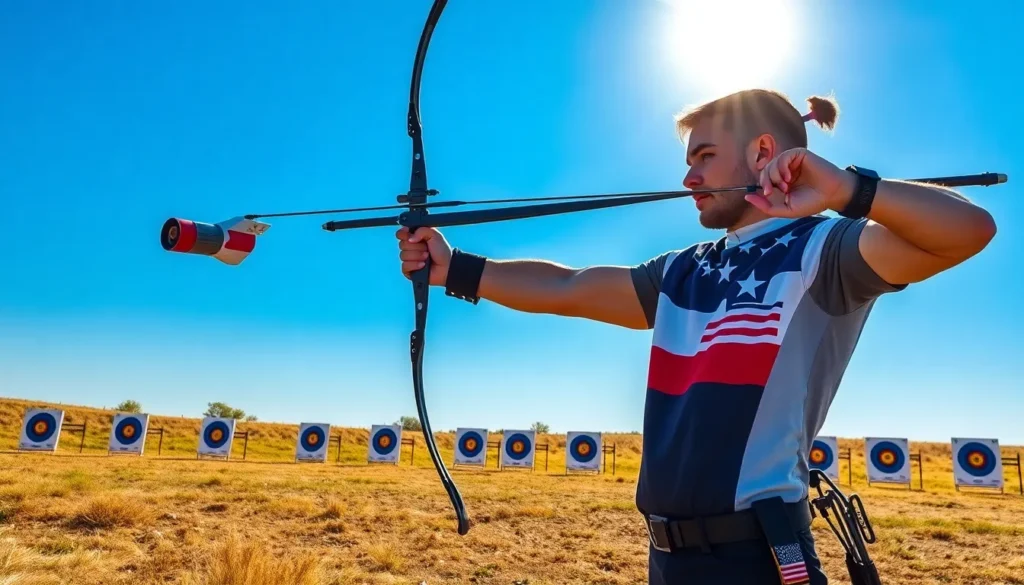
In the world of archery, having the right gear is like having a secret weapon—except it’s not so secret. Whether you’re aiming for bullseyes or just trying to impress your friends at the local range, the right archery equipment can make all the difference. From bows that feel like an extension of your arm to arrows that fly straighter than your last excuse for being late, choosing quality gear is crucial.
But let’s face it: navigating the vast sea of archery equipment can feel like trying to hit a moving target. With options ranging from traditional longbows to high-tech compound bows, it’s easy to get overwhelmed. Fear not! This guide will help you sort through the quiver of choices, ensuring you find the perfect setup to unleash your inner archer—without the risk of accidentally launching an arrow into your neighbor’s garden.
Overview of Archery Equipment
Archery equipment encompasses various essential items that enhance performance in the sport. Bows serve as the primary tools, with options like traditional longbows, recurve bows, and modern compound bows available. Each type caters to different preferences and skills, offering unique advantages.
Arrows come in diverse materials such as aluminum, carbon, and wood, providing various benefits for accuracy and durability. Choosing arrow length and weight directly influences shot precision. Fletching, or the vanes on arrows, must also match the bow type and shooting style for optimal flight.
Quivers keep arrows organized and accessible during practice or competition. They come in different styles, such as hip, back, and bow-mounted quivers. Selecting a quiver that fits one’s shooting style enhances convenience.
Protective gear plays a critical role in archery. Arm guards shield against string snapback, while finger tabs or gloves enhance grip and comfort. Safety goggles can protect eyes during shooting, especially in outdoor settings.
Targets vary based on shooting discipline and skill levels. 3D targets imitate real animals for realistic practice, while paper targets focus on accuracy. Many archers might choose foam or bag targets for convenience in training.
Bow sights assist archers in aiming with precision. Fixed pin sights offer a reliable option, while movable sights allow adjustments for distance. Stabilizers help balance the bow, reducing vibration and improving overall control.
Maintenance tools, including bow wax and string silencers, ensure equipment longevity and peak performance. Regular checks of equipment can prevent issues and enhance shooting enjoyment. Understanding all aspects of archery equipment supports better performance and fosters a fulfilling experience in the sport.
Types of Archery Equipment

Archery equipment encompasses various types of gear essential for effective shooting. Each piece plays a vital role in enhancing performance and ensuring an enjoyable experience.
Bows
Bows form the core of archery equipment. Traditional longbows offer simplicity and historical significance, while recurve bows provide versatility for target and field archery. Modern compound bows incorporate advanced technology, allowing for improved accuracy and reduced effort when drawing. Each type aligns with different shooting preferences, skill levels, and disciplines. Whether focusing on traditional archery or modern techniques, selecting the right bow affects overall performance and satisfaction in the sport.
Arrows
Arrows come in various materials and sizes, catering to unique shooting styles. Carbon arrows offer strength and lightweight properties, making them popular among competitive archers. Aluminum arrows provide durability and consistency, ideal for beginners. Wooden arrows appeal to traditionalists and provide a classic experience. Arrow length and weight directly influence flight trajectory and accuracy, pointing toward the importance of selecting the right arrows for a shooter’s needs.
Accessories
Accessories enhance the archery experience and ensure proper equipment use. Quivers organize arrows, keeping them accessible while shooting. Protective gear, such as armguards and finger tabs, safeguards against injuries and improves comfort. Bow sights assist in aiming, providing a clear point of focus for improved accuracy. Stabilizers help control bow movement, enhancing stability during shooting. Maintenance tools, including bowstring wax and cleaning kits, keep equipment in optimal condition, prolonging its life and performance quality.
Choosing the Right Archery Equipment
Selecting the correct archery equipment plays a crucial role in enhancing overall performance. Choices should reflect individual needs and preferences, considering various aspects like skill level and material quality.
Skill Level Considerations
Skill level significantly influences equipment selection. Beginners often benefit from easy-to-use recurve bows that offer versatility and straightforward handling. Intermediate archers might prefer compound bows that provide advanced features for fine-tuning accuracy. Competitive archers typically opt for specialized equipment tailored to their style and discipline. Understanding skill levels ensures that each archer finds gear that promotes growth and confidence in their shooting abilities.
Material Quality
Material quality directly impacts performance and durability. Bows crafted from high-quality woods or advanced composites guarantee resilience and stability during use. Carbon arrows often provide the best weight-to-strength ratio, making them a popular choice among serious archers. Aluminum arrows, while heavier, offer good durability for training purposes. Wood arrows cater to traditional archers, balancing aesthetics with performance. Prioritizing quality materials helps ensure that archers enjoy safety and reliability, making successful shots more attainable.
Maintenance and Care for Archery Equipment
Maintaining archery equipment ensures optimal performance and longevity. Effective care includes regular inspections and proper cleaning and storage practices.
Regular Inspection
Regular inspections of bows and arrows enhance their lifespan. Checking for wear and tear on bowstrings, limbs, and arrow shafts is essential. Identifying damage early can prevent accidents and improve safety. Inspecting quivers, sights, and stabilizers allows archers to ensure all components function correctly. Conducting inspections before practice sessions or competitions helps maintain peak performance. Archers should prioritize these inspections, as they contribute to confident shooting and overall success.
Cleaning and Storage
Cleaning archery equipment after use prevents dirt and debris build-up. Wiping down bows with a soft cloth maintains their appearance and functionality. Additionally, arrows require regular cleaning to ensure accuracy and reduce friction during shots. Proper storage significantly impacts equipment longevity. Storing bows in a protective case shields them from environmental factors. Arrows should remain in a quiver, preventing damage during transport. Following these cleaning and storage methods allows archers to enjoy their equipment for years to come.
Choosing the right archery equipment is essential for maximizing performance and enjoyment in the sport. Each component from bows to arrows plays a critical role in achieving accuracy and consistency. By understanding individual preferences and skill levels, archers can select gear that suits their unique needs.
Quality materials and proper maintenance further enhance the overall experience. Regular care ensures that equipment remains in optimal condition, allowing archers to focus on honing their skills. With the right setup and attention to detail, anyone can elevate their archery game and enjoy every moment spent on the range.